

Top 10 Clinical Advances of the Year in Surgery: Paving the Way for a Healthier Tomorrow
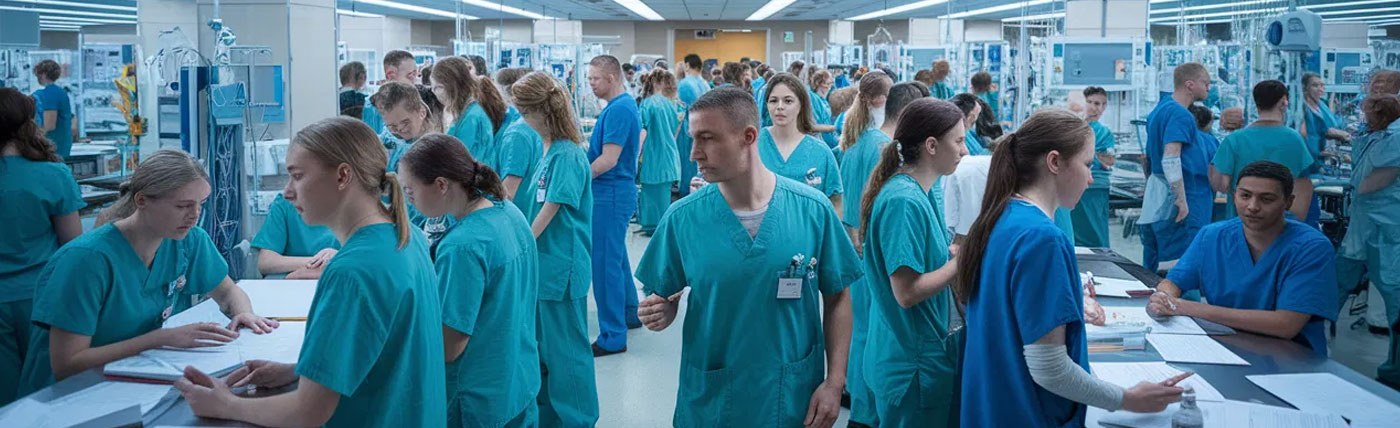
The world of surgery is a dynamic frontier, constantly evolving with breakthroughs that push the boundaries of what’s possible. From minimally invasive techniques to groundbreaking regenerative therapies, the past year has witnessed a remarkable acceleration in clinical advances, promising safer procedures, faster recoveries, and improved long-term outcomes for patients. Here are the top 10 clinical advances that are reshaping the surgical landscape:
1. Enhanced Robotic-Assisted Surgery (eRAS)
Robotic surgery has been a game-changer for years, but this year saw the emergence of Enhanced Robotic-Assisted Surgery (eRAS) with haptic feedback and artificial intelligence integration. Surgeons can now “feel” tissue resistance and receive real-time AI guidance, enabling unparalleled precision in complex procedures such as prostatectomies, hysterectomies, and intricate cardiac repairs. This advancement significantly reduces tremor and improves manoeuvrability in tight anatomical spaces.
2. Hyper-personalisation in Pre-operative Planning with 3D Printing
Gone are the days of one-size-fits-all surgical approaches. Advances in 3D printing and advanced imaging allow for the creation of incredibly detailed, patient-specific anatomical models. This enables surgeons to meticulously plan complex procedures, practice complicated manoeuvres, and even customise implants before stepping into the operating room. This hyper-personalisation is particularly impactful in orthopaedic, craniofacial, and tumour resection surgeries.
3. AI-Powered Intraoperative Imaging and Navigation
Artificial intelligence is increasingly integrated into the operating room, particularly in imaging and navigation. Real-time AI analysis of intraoperative scans (e.g., CT or MRI) provides surgeons with dynamic, augmented-reality overlays that highlight critical structures and tumour margins with unprecedented accuracy. This is proving revolutionary in neurosurgery, spinal surgery, and oncological resections, minimising damage to healthy tissue.
4. Advanced Energy Devices for Tissue Sealing and Dissection
New generations of energy devices, including refined ultrasonic and advanced bipolar systems, offer superior tissue sealing and dissection capabilities with reduced thermal spread. These innovations enhance patient safety by minimising bleeding, reducing operative time, and promoting faster healing. Their precise control is particularly beneficial in laparoscopic and endoscopic surgeries.
5. Liquid Biopsy Guided Surgical Oncology
The integration of liquid biopsies into surgical oncology workflows represents a significant leap forward. By detecting circulating tumour DNA (ctDNA) or circulating tumour cells (CTCs) pre- and post-surgery, clinicians can assess tumour burden, predict treatment response, and monitor for residual disease with greater sensitivity. This allows for more targeted surgical approaches and personalised adjuvant therapies, particularly in colorectal, lung, and breast cancers.
6. Bioabsorbable Implants with Drug Delivery Capabilities
Innovations in biomaterials have led to the development of bioabsorbable implants that not only provide structural support but also deliver therapeutic agents directly to the surgical site. Examples include absorbable sutures loaded with antibiotics to prevent infection or orthopaedic screws that release anti-inflammatory drugs. These intelligent implants reduce the need for secondary procedures and improve healing environments.
7. Enhanced Recovery After Surgery (ERAS) Protocols Evolution
While ERAS protocols aren’t new, the past year has seen significant refinements and wider adoption, driven by new evidence and technological integration. These multidisciplinary, patient-centred pathways optimise every stage of the surgical journey—from prehabilitation and optimised anaesthesia to early mobilisation and nutrition. The result is consistently shorter hospital stays, fewer complications, and a dramatically improved patient experience across various surgical specialities.
8. Focused Ultrasound Surgery (FUS) Expansion
Focused Ultrasound Surgery (FUS), a non-invasive therapeutic technique, has seen expanded indications. Beyond its established role in essential tremor and Parkinson’s disease, FUS is now being explored and adopted for the precise ablation of uterine fibroids, prostate cancer, and even certain brain tumours, offering a scalpel-free alternative for select patients.
9. Regenerative Medicine and Stem Cell Therapies in Orthopaedics
The application of regenerative medicine, particularly mesenchymal stem cell therapies and advanced growth factor delivery, is transforming orthopaedic surgery. These biological interventions are increasingly used to accelerate healing in cartilage repair, tendon injuries, and non-union fractures, aiming to restore tissue function rather than merely repair damage.
10. Intraoperative Optical Coherence Tomography (OCT)
Intraoperative Optical Coherence Tomography (OCT) provides surgeons with microscopic, real-time imaging of tissue structure. This technology, similar to ultrasound but using light, provides high-resolution cross-sectional images, enabling precise identification of tissue layers and pathology. It’s proving invaluable in ophthalmic and neurosurgery, and for the accurate demarcation of tumour margins across various specialities.
These advances underscore a transformative era in surgery, characterised by precision, personalisation, and a profound commitment to patient well-being. As research continues and technology evolves, the future promises even more extraordinary innovations, bringing us closer to a world where surgical interventions are safer, more effective, and increasingly tailored to the unique needs of every individual.
Please let me know if you’d like an image to go along with this article! For example, an image representing robotic surgery or a 3D-printed anatomical model.